Cultural perspectives on gambling Insights into pinco casino and society's views
The Evolution of Gambling in Society
Gambling has a long and varied history, evolving from simple games of chance in ancient civilizations to complex systems seen in modern casinos. In many cultures, gambling was initially viewed as a pastime linked with ritual and community bonding. For instance, indigenous tribes used gambling for decision-making and social activities. However, as societies advanced, perceptions shifted, viewing gambling more as a vice, which brought about discussions surrounding its ethical implications. Notably, individuals interested in insights about this topic can also visit the Pinco official website for further information.

In contemporary society, gambling often reflects cultural attitudes towards risk and reward. Various countries embrace gambling as a form of entertainment, creating robust regulatory frameworks to ensure fairness and responsible play. However, in others, gambling remains stigmatized, seen as a threat to societal values and family integrity. This dichotomy illustrates how cultural perspectives significantly shape the gambling landscape, influencing everything from legislation to personal attitudes towards establishments like casino.
The increasing globalization of gambling has also contributed to the blending of cultural views. The rise of online gambling platforms has made gambling accessible to a broader audience, challenging traditional views and prompting discussions about its implications on societal norms. As gambling continues to evolve, understanding the cultural perspectives that shape its acceptance and regulation becomes essential for fostering a healthier dialogue about its role in society.
The Psychological Aspects of Gambling
Understanding the psychology of gambling reveals profound insights into why individuals participate in such activities. The thrill of risk-taking is a potent motivator, often rooted in human nature. Many gamblers experience a rush of adrenaline, which can lead to excitement and even addiction. The psychological phenomenon known as the “near-miss effect” demonstrates that just missing a win can actually encourage continued play, further complicating the relationship individuals have with gambling.
Moreover, cognitive biases play a significant role in gambling behavior. Gamblers often exhibit overconfidence in their abilities, believing that they can outsmart the odds. This misjudgment can lead to problematic gambling behaviors, as individuals may ignore the statistical realities of games. The role of social influence is also pivotal; peer pressure and social environments can lead to increased gambling, especially in venues like casino, where the atmosphere is designed to promote engagement.
Addressing these psychological factors is crucial in developing effective responsible gambling strategies. Education on the risks involved, coupled with support systems for those struggling with gambling addiction, is essential. By promoting a deeper understanding of the psychological aspects of gambling, societies can better navigate the challenges presented by the industry and support healthier gambling practices among individuals.
Gambling Regulation and Cultural Perspectives
The regulation of gambling varies significantly across cultures, influenced by historical, religious, and social factors. In some regions, government-sanctioned gambling is commonplace, providing a source of revenue while promoting responsible gaming practices. Countries like Canada have developed comprehensive regulatory frameworks that govern casinos and online platforms, ensuring player protection and ethical operations. In contrast, other cultures view gambling as morally objectionable, leading to outright bans or stringent restrictions on such activities.
The way different societies approach gambling regulation often reflects broader cultural values. For example, nations that prioritize individual freedom may embrace gambling as a personal choice, while those valuing community welfare may impose limits to safeguard vulnerable populations. This regulatory landscape creates diverse environments for gambling, affecting establishments like casino, which must navigate these cultural waters to operate successfully.
As globalization continues to influence gambling, there is an ongoing dialogue about standardizing regulations across borders. This raises questions about cultural sensitivity and the importance of tailoring approaches to fit local contexts. By understanding the cultural underpinnings of gambling regulation, stakeholders can develop more effective policies that resonate with societal values while promoting responsible gambling practices.
The Social Impact of Gambling on Communities
The impact of gambling on communities is multifaceted, encompassing economic, social, and cultural dimensions. On one hand, casinos like casino can drive economic growth by creating jobs and stimulating local economies. They often serve as entertainment hubs, attracting tourism and generating substantial tax revenues that can fund community initiatives. However, the presence of gambling establishments can also lead to social challenges, including addiction and crime.
Community responses to gambling often reflect the cultural context in which they exist. In some areas, gambling is embraced as a legitimate form of entertainment, leading to community events and partnerships with local businesses. Conversely, in regions where gambling is viewed negatively, communities may mobilize against the expansion of such venues, citing concerns over potential harm to family dynamics and public health. This dichotomy illustrates the broader societal conversations about the role of gambling in community life.
Ultimately, the social impact of gambling requires a balanced consideration of both its benefits and challenges. Community engagement is essential to navigate these complexities, ensuring that gambling serves as a positive force in society. By promoting responsible gambling and addressing the social concerns associated with it, communities can work toward a harmonious coexistence with the industry.
Insights into Pinco Casino and Its Role
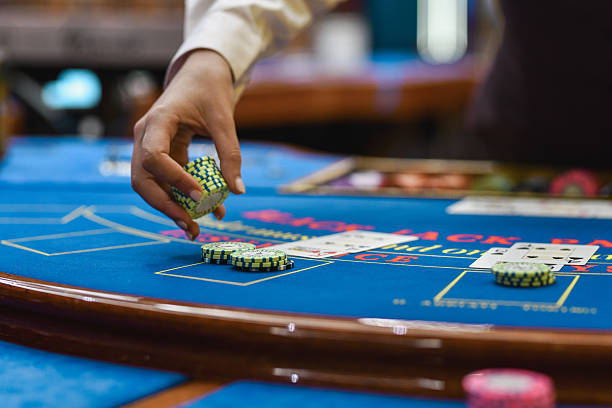
casino stands out as a unique establishment within the broader landscape of gambling, often embodying the tensions and dynamics inherent in cultural perspectives on gambling. With its vibrant atmosphere, it aims to attract a diverse clientele, promoting not just gambling but also social interaction and entertainment. Understanding how casino navigates societal views helps highlight the evolving relationship between communities and gambling venues.
As a modern casino, embraces technology and innovation, providing a range of gambling options designed to appeal to different demographics. This approach not only enhances the gambling experience but also positions the casino as a responsible entity within its community. By engaging in outreach programs and responsible gaming initiatives, casino seeks to mitigate the negative perceptions often associated with gambling, aiming to foster a healthier relationship with its patrons.
Ultimately, the role of casino extends beyond merely serving as a gambling venue; it embodies the cultural complexities surrounding the industry. By actively participating in community dialogue and addressing social concerns, casino endeavors to be a positive contributor to society, challenging the stigma attached to gambling while promoting responsible practices within the entertainment sector.